THE EDITOR, Madam:
Modernisation of healthcare facilities is essential if Jamaica is to deliver first-class medical care to its citizens. However, modernisation—especially when showcased as part of a grand, macro-scale plan—must not come at the expense of addressing basic, day-to-day issues that directly impact patients’ well-being.
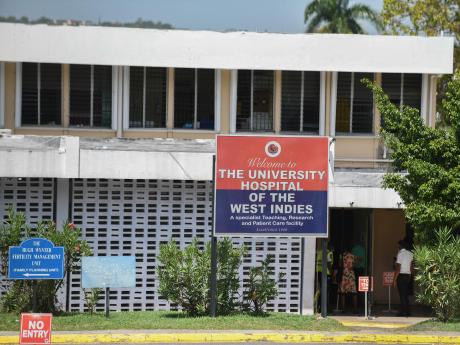
Recently, the University Hospital of the West Indies (UHWI), our premier teaching hospital in Kingston, broke ground on a US$80 million, six-storey state-of-the-art building. This new structure will include advanced diagnostic and imaging centres, expanded emergency and critical care units, and modern surgical suites. I commend UHWI and the Government of Jamaica for this long-overdue expansion of an ageing facility.
Yet, while I welcome the vision, I am deeply concerned that the speeches at the groundbreaking ceremony painted a glowing picture of the macro plan, without a single mention of fixing the fundamental, micro-level issues that frustrate patients daily. The Minister of Health and Wellness spoke of “an investment to include the acquisition of critical healthcare machinery and equipment.” UHWI’s Medical Chief of Staff, Dr. Carl Bruce, emphasised that “all treatment” would be placed within this “advanced and critical care tower.” And Patrick Hylton, board chair, described the project as “an unwavering commitment to provide world-class medical care to everyone who walks through its doors.”
Fine words. But I ask: which of these leaders has experienced UHWI’s Accident and Emergency department or navigated its hospital management system? Which of them has endured the excruciating wait—eight hours or more—for an elderly relative to be attended to? If they had, their focus might have shifted from gleaming new towers to ensuring clean bathrooms, clear communication with patients, efficient administrative processes, and reasonable waiting times.
As we approach the general election on September 3, let us not be distracted by grand promises and shiny infrastructure—whether at UHWI or in political manifestos. It is the small, consistent, people-centred actions that reveal a genuine commitment to care: ongoing maintenance, responsive customer service, and management systems that treat patients with dignity.
The governance culture at UHWI mirrors our broader political culture—celebrating big announcements while neglecting the “little things” that matter most to people’s daily lives. Whichever political party wins on September 3 must be challenged to address this imbalance. We deserve leadership that can build the big things while faithfully attending to the small things that touch the human heart.
Fr. Donald Chambers
Frdon63@hotmail.com
 Beloved Reflections