Dear Editor,
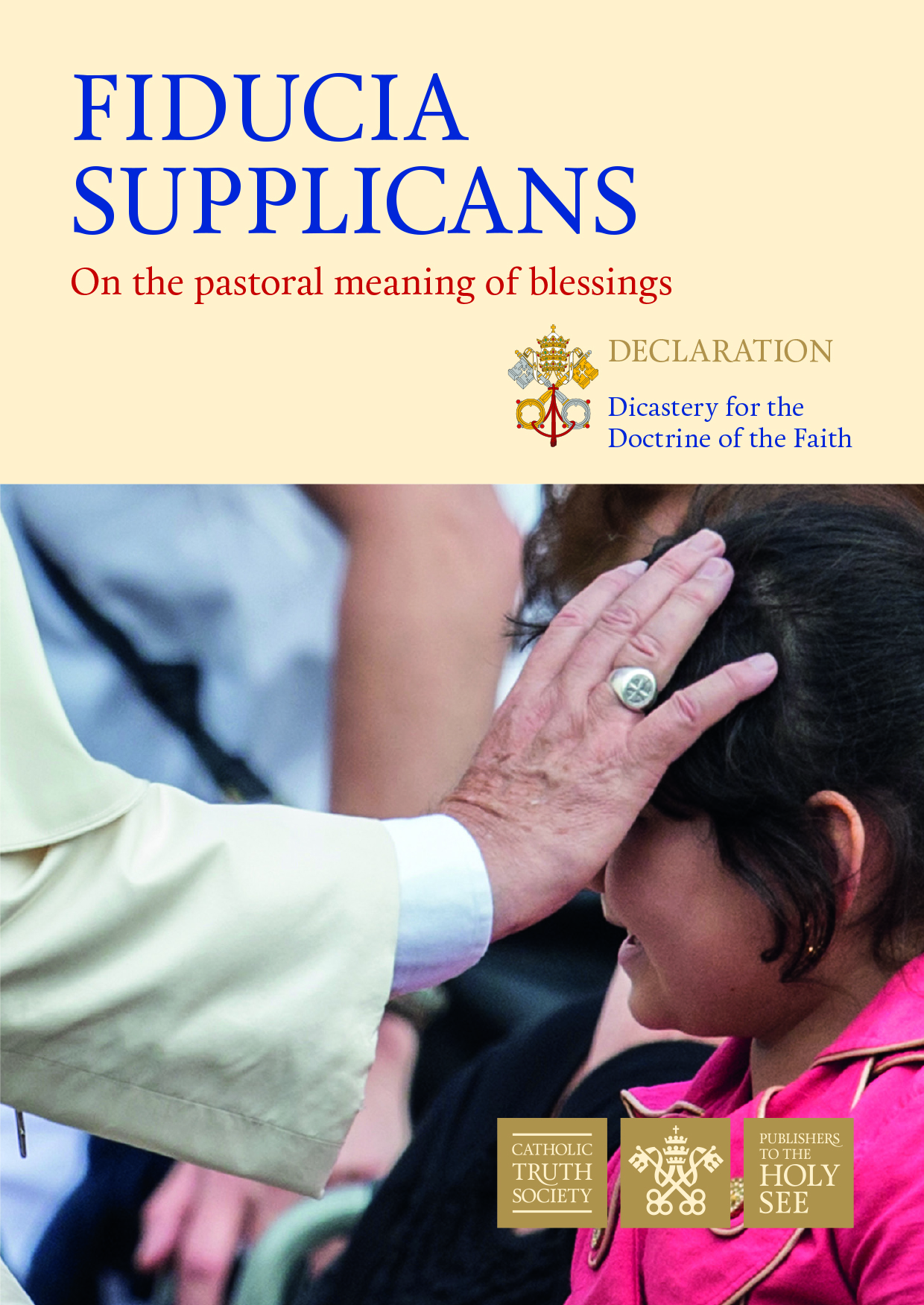
Recently, I read Archbishop Tomash Peter of Kazakhstan’s response to the Vatican’s declaration, On the Teaching of Blessings, Fiducia Supplicans, in the Catholic Herald, a British Catholic Newspaper.
While his statement does not provide any theological argument opposing the declaration’s theological and pastoral position, his pastoral stance has theological and pastoral implications. He argues that the declaration is a “great deception and the evil that resides in the very permission to bless couples in irregular situations and same-sex couples.” He claims that such “blessing contradicts Divine Revelation and the uninterrupted, bimillennial doctrine and practice of the Catholic Church.” He fails to say what that “uninterrupted doctrine and practice is. At the end, his definitive statement reveals his theological position. He writes, “. . . every sincerely repentant sinner with the firm intention to no longer sin and to put an end to his public sinful situation. . . can receive a blessing.” In a word, persons must convert and change their lives before receiving God’s blessings.
This theological position is reminiscent of the Christian movement in the fourth century, advanced by Bishop Donatus. This movement advocated that those Christians who betrayed other Christians during the persecution of the Roman Emperor, Diocletian, their sin of betrayal was marked by an evil character and could not be overcome. Bishop Donatus advanced the position that the ordination of bishops ordained by “traditores” or traitor bishops was invalid because they polluted the sacrament to such an extent that it was no longer a conveyor of grace. The Church is made of “saints”, not sinners. While the council of Nicaea (325) condemned this teaching, St. Augustine wrote several letters and sermons refuting their position, arguing that the effect of the sacrament is independent of the moral character of the minister.
If we accept Archbishop Peter’s position that God’s blessings are conditional, that is, conversion and intention to sin no longer, then the biblical characters such as Zacheaus, the Woman at the Well, and Matthew, the tax collector, would never encounter Jesus. Their conversion and discipleship were initiated by the blessings of Christ’s presence, who encountered them as sinners, not saints. God’s grace is not conditional or determined by humans. Grace is freely given and initiated through the blessings of encounter and has the power to bring persons to conversion. In the Caribbean, we need to be aware of the remnants of Donatist’s heresy in our religious expressions.
 Beloved Reflections
beautifully written. We need to always remember Jesus’ mercy more than judgement.
LikeLike