“Jesus was . . . rich, but he became poor . . . to make you rich out of his poverty” (2 Corinthians 8: 9).
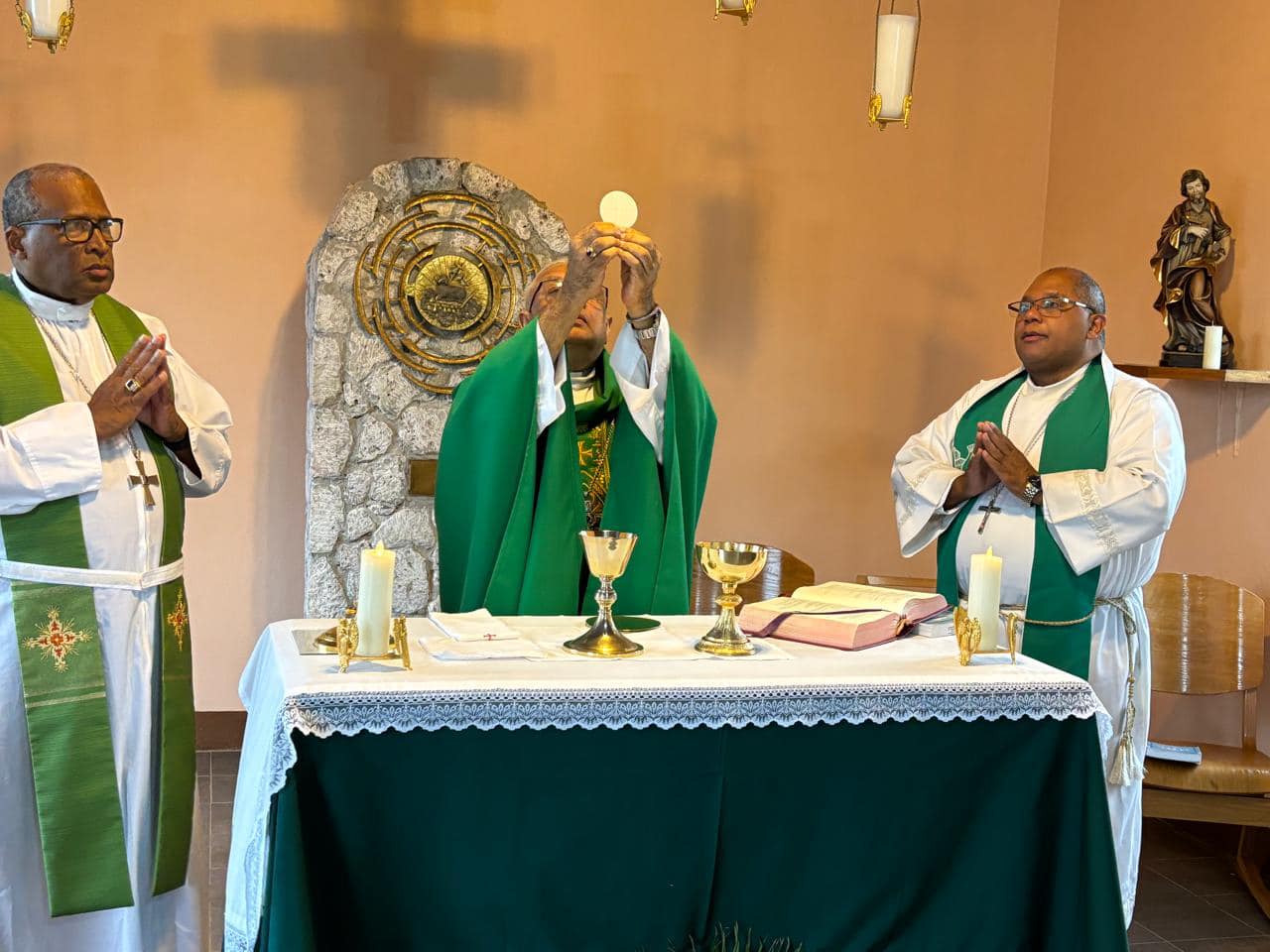
It’s inspiring to reflect on the significance of the Eucharist and its message of transformation and hope. The idea that Jesus, who was rich, became poor to enrich others is perplexing, profound, and powerful. The metaphor of grapes and wheat being transformed from poverty to richness in the form of wine and bread is a beautiful sign of this spiritual truth.
The belief that the Eucharist is a sign of the transformation from poverty to richness, both in a spiritual and physical sense, highlights the profound impact of this celebration. It reminds us that consuming the bread and wine signifies a spiritual richness that we receive through the body and blood of Jesus.
The belief that partaking in the Eucharist leads us to become the Body of Christ and calls us to serve the poor is profoundly moving. It emphasises the importance of embodying the spirit of compassion and mercy in our everyday lives.
Furthermore, the analogy of the Eucharist acting as a dam against the forces that perpetuate further poverty for the poor and wealth for the rich is thought-provoking. It speaks to the transformative power of this sacrament and its potential to challenge prevailing social and economic injustices.
Ultimately, the Eucharist serves as a profound reminder or sign of the Gospel values of selflessness, compassion, and justice, encouraging us to seek spiritual richness and the richness of justice for the poor.
 Beloved Reflections