A Call to Mission
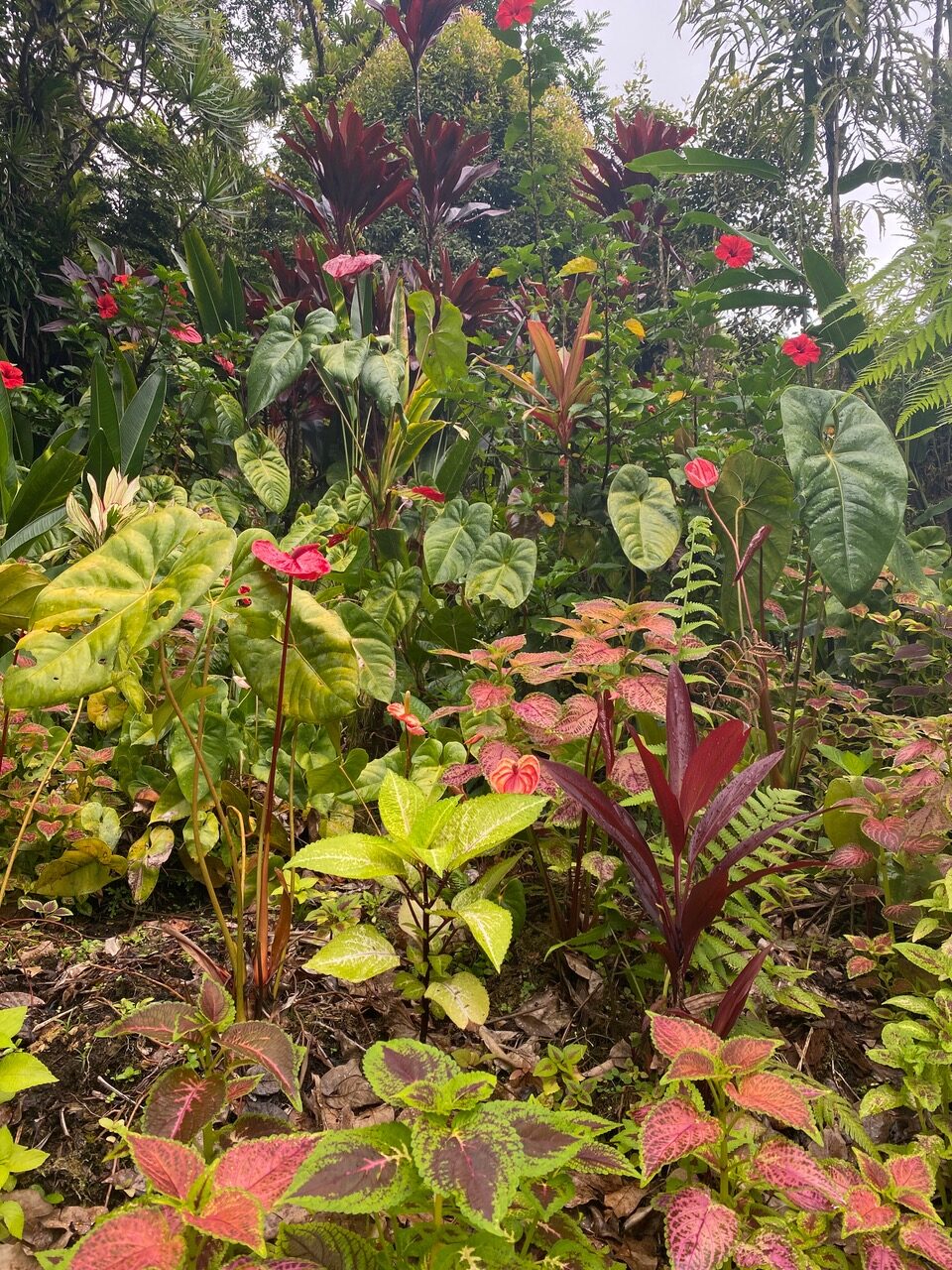
As I reflected on the prayer that morning, I realised that the grace I received was never meant to end with me. God was not simply healing my self-perception; He was reshaping the way I would look upon every person entrusted to my care. The garden had become a school of mission.
Three simple convictions stayed with me as I left that place.
The garden is still beautiful.
Beauty and brokenness can coexist.
The Gardener has not abandoned the garden.
These were not merely consoling thoughts about my own life. They became a new way of seeing every human person.
If my own garden could remain beautiful despite its worn places, peeling paint and weary plants, perhaps every human soul carries a beauty often hidden beneath life’s scars. How many people have I encountered whose lives seem neglected, overgrown, damaged or exhausted?
The addict.
The prisoner.
The migrant.
The elderly.
The lonely.
The abused.
The angry.
The proud.
The wealthy.
The poor or homeless.
The faithful parishioner.
The one who has abandoned the Church.
Every one of them is a garden.
Some are flourishing.
Some are neglected.
Some are overrun with weeds.
Some appear almost lifeless.
Yet none has ceased to be beautiful in the eyes of the Divine Gardener.
My prayer taught me that brokenness does not erase beauty. It often conceals it.
Just as I had become fixated on the peeling paint and worn patches in my own garden, I can become preoccupied with the outward conditions of another person’s life, particularly their failures, addictions, anger, psychological wounds, cultural differences, physical limitations or moral struggles.
The Gardener looks deeper. He sees not simplymerely what has become of the garden. He sees, but what it is still capable of becoming. That changes everything.
It changes how I listen.
It changes how I preach.
It changes how I accompany.
It changes how I forgive.
It changes how I wait.
Perhaps the first vocation of the priest is not to repair gardens. It is to recognise them. Only the person who first sees beauty can patiently cultivate it.
The second grace was equally liberating. The Gardener has not abandoned the garden. If God has not abandoned any soul, neither may I. There are no hopeless gardens. There are only gardens whose seasons I do not yet understand.
This conviction frees me from believing that everything depends on my success or failure. I am not the owner of the garden, nor am I its saviour. I am simply invited to work beside the One who has tended that soul long before I arrived and will continue to tend it long after I leave.
The mission, then, is not to bring God to people. It is to recognise where the Divine Gardener is already at work and to cooperate with His quiet labour. That insight also turned me back on myself.
As I sat in the garden that morning, feeling weary, overwhelmed and tempted towards desolation, I realised countless others carry the same hidden burdens.
There are priests who feel trampled by their ministry.
Parents are exhausted by caring for their families.
Young people silently questioning their worth.
Widows who feel forgotten.
Persons living with depression or grief.
Individuals carrying shame that no one else can see.
People feeling excluded due to their sexual orientation.
Like me, many are tempted to retreat into the shell of self-protection. Like me, they wonder whether anything beautiful remains within them. Perhaps my own weariness has become a gift, not because suffering is desirable, but because it teaches compassion.
The wounds I struggle to accept in myself become the very places from which I recognise the wounds of another. The garden has taught me that solidarity begins with shared humanity. From now on, I want to enter every encounter believing three things.
The garden before me is still beautiful.
Beauty and brokenness live together within this person.
The Divine Gardener has never left.
If I can remember those three truths, perhaps I shall become, in some small way, an incarnate gardener, one who arrives not with answers alone but with hope; one who patiently waters what God has already planted; one who trusts that even where I cannot yet see growth, the roots of grace continue their hidden work beneath the surface.
My thirty-fourth anniversary has reminded me that my priesthood is not merely about cultivating gardens. It is about learning to see them as God sees them. Perhaps that is the beginning of every true mission.

