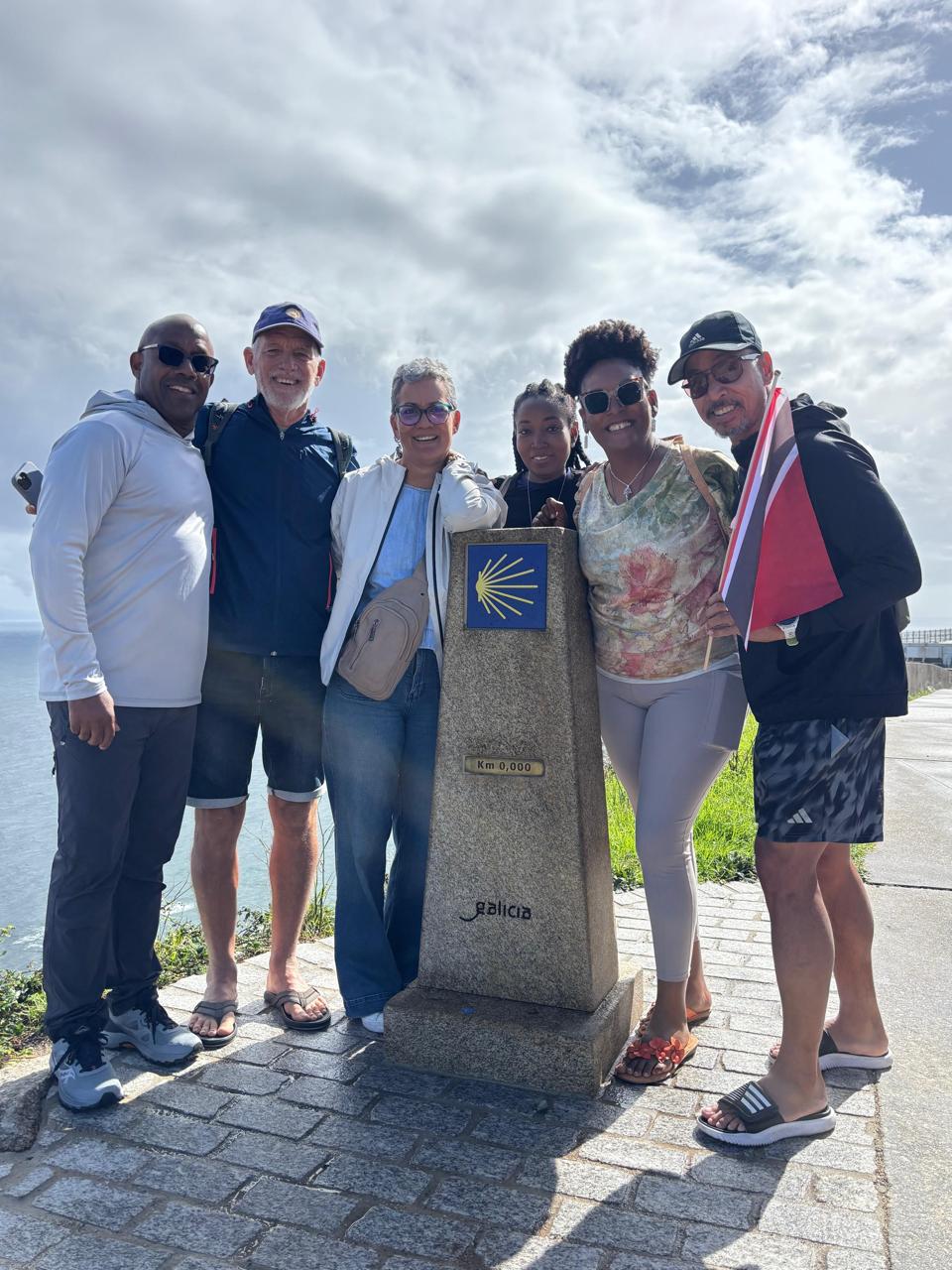
As the Church celebrates Mission Month, I reflect on how the Camino pilgrimage to Santiago, Spain, renewed my missionary calling. To share Christ’s transforming love, I must allow it to transform me. Walking towards Santiago became an invitation to examine my heart, receive God’s grace, and return more available to others.
Six kilometres outside Santiago de Compostela, the cathedral towers came into view. My steps quickened, and the pilgrims’ walking sticks clicked eagerly around me. Then the hills steepened, my ankle pain intensified, and excitement gave way to effort. Rain and the fierce Galician winds accompanied those final steps. I was discovering how deeply the journey had taken root in me.
I walked approximately 200 kilometres from Barcelos along the Portuguese Camino, accompanied by pilgrims with Caribbean roots. Beneath our shared journey, a personal pilgrimage unfolded. I wanted each day to become a prayer: “a long, loving look at real” (Walter Burghart), through which God might reveal the beauty around me and the places within me awaiting conversion.
Before departing Trinidad and Tobago, I found my ancestral memory awakened as I packed. I could choose my clothing, prepare medication, and anticipate returning home. My African ancestors, forced across the Atlantic, had none of these freedoms. Gratitude reshaped my preparations. Travelling towards lands associated with conquest and oppression, I carried their courage and asked how I might live faithfully in the freedom they helped make possible.
In Porto, a street performer singing “The Sound of Silence” interrupted my enjoyment of port wine beside the Douro River. Amid footsteps, conversations and clinking glasses, his song questioned my listening. I could photograph beautiful places while avoiding my heart’s depths. The river suggested an upstream journey towards the hidden source, towards the places within myself I feared entering (Joseph Campbell).
That inward journey soon took on physical weight. Knee pain stirred fear that I might give up the walk. Fierce heat pressed down on us; cobblestones punished tired feet. Yet strangers redirected us, companions encouraged me, and rivers soothed my spirit. I recognised God in the help I received, especially when my strength could no longer carry me with confidence.
Nature invited me to slow down. Beneath forest canopies, I heard birdsong, the tapping of hiking sticks and the flow of streams from mountainsides. White lilies rose from tangled vegetation. Abandoned houses reminded me that every life holds stories. These encounters became prayer when I paused to receive them. The treasure I sought was already meeting me on the road.
The yellow arrows taught a similar lesson. Absorbed in conversation, I missed a turning until others called me back. Elsewhere, uncertain signs demanded attention. How often do preoccupation and urgency make me miss God’s direction? My focus on reaching a destination could become so consuming that I failed to hear those calling beside me.
More uncomfortable discoveries emerged within the community. A companion’s complaints provoked judgement. Exhaustion sharpened my reply to an invitation to laugh. A vendor interrupting our walk provoked anger. These moments exposed the limits of my hospitality. God’s invitation was concrete: pause, acknowledge my feelings honestly, and allow compassion to shape my response before irritation spoke for me.
Sometimes pausing changed what followed. Anger over altered room arrangements gave way to a question seeking understanding. An honest conversation with my roommate made space for his struggle alongside my discomfort. Accepting help challenged self-sufficiency. Watching companions remain beside an ill pilgrim revealed love in changed plans, slower steps and attention to another’s vulnerability.
Other encounters deepened my understanding of conversion. Pilgrims spoke frankly about racism and prejudice. Residents protesting tourism’s effects in Santiago reminded me that places welcoming visitors are also people’s homes. Listening called me towards justice, respect for residents and care for the environment through which I had been privileged to walk.
Inside Santiago’s cathedral, the pilgrims’ Mass gathered my weariness into peace. I felt sheltered beneath protective wings. At Saint James’s tomb, I thanked God and sought strength to return to my Caribbean mission. Later, at Finisterre, I knelt before a cross overlooking the Atlantic. Opening my hands to the wind, I received the journey as a grace.
I return with a spiritual paradox: lands associated with our oppression became places of renewal because God was present there too. This Mission Month, I recognise that transformation is essential to mission. The patience, compassion and openness I ask of others must grow within me. My pilgrimage continues wherever Christ calls me to listen, welcome and serve. Your journey can begin in ordinary life: pause, receive God’s presence, and allow that encounter to change how you walk alongside others.

