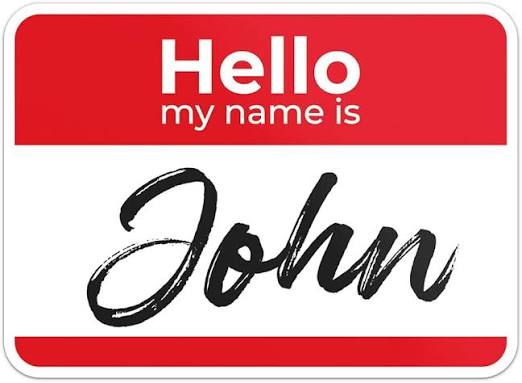
A bishop once said,
“Bishop is a title,
but my name is John.”
How easily we forget our names.
We polish our titles
until they become mirrors,
then stand before them so long
we mistake the reflection for ourselves.
Status becomes an addiction,
a carefully furnished prison
where the ego keeps watch
and vulnerability is refused entry.
We learn whom to greet,
beside whom to be photographed,
which friendships we invest,
and whose presence might diminish us.
We wear the inflexible mask
through careers and relationships,
afraid that one honest tear
might loosen it from our faces.
Even when life brings us to our knees,
when illness undresses our importance
and helplessness enters uninvited,
we still reach for the fallen title.
But beneath every robe and rank,
beneath the honours and applause,
the fragile soul waits quietly,
longing to be called by name.
Human, born of humus,
shaped from the patient earth,
fragile enough to need the rain,
humble enough to receive it.
The earth does not hide its wounds.
It opens its broken places to the seed,
receives the darkness without shame,
and allows new life to rise.
Perhaps this is our truest calling:
to embrace our earthiness,
our weakness, our need for one another,
for creation, and for God.
Receive the titles. Enjoy the honours.
But hold it with open hands,
renouncing nothing, enjoying everything,
as though it will not last.
For titles will be buried with us,
and status will not mourn our passing.
The soul cannot live on applause,
nor friendship survive behind a mask.
What may remain is something simpler:
that we crossed the road from Jerusalem to Jericho,
knelt beside a wounded stranger,
and were not too important to touch her.
In the end, they may forget our office,
our rank, the letters after our names.
But perhaps they will remember our humanity.
“My title was Bishop, but my name was John.”

